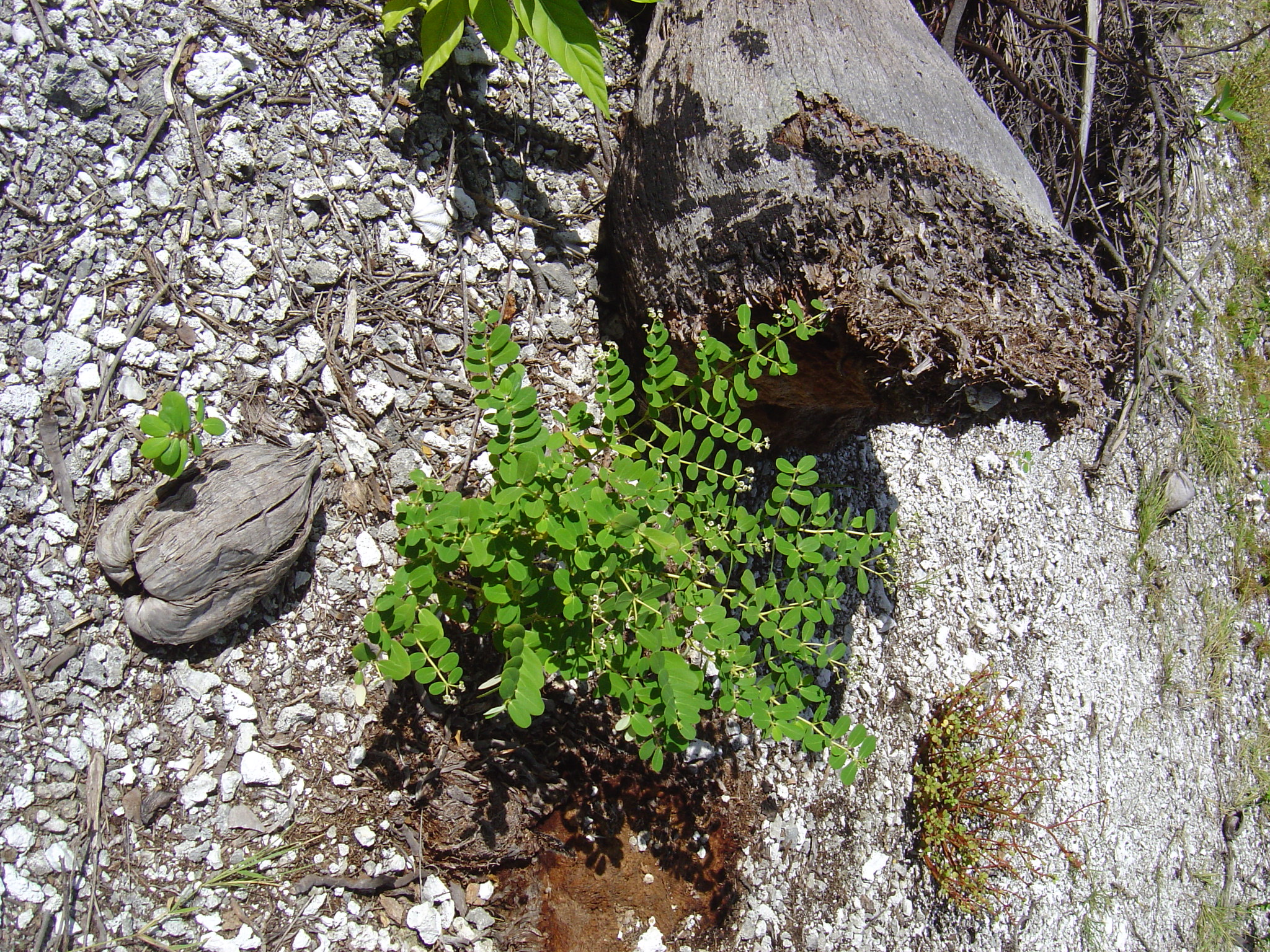
Euphorbiaceae
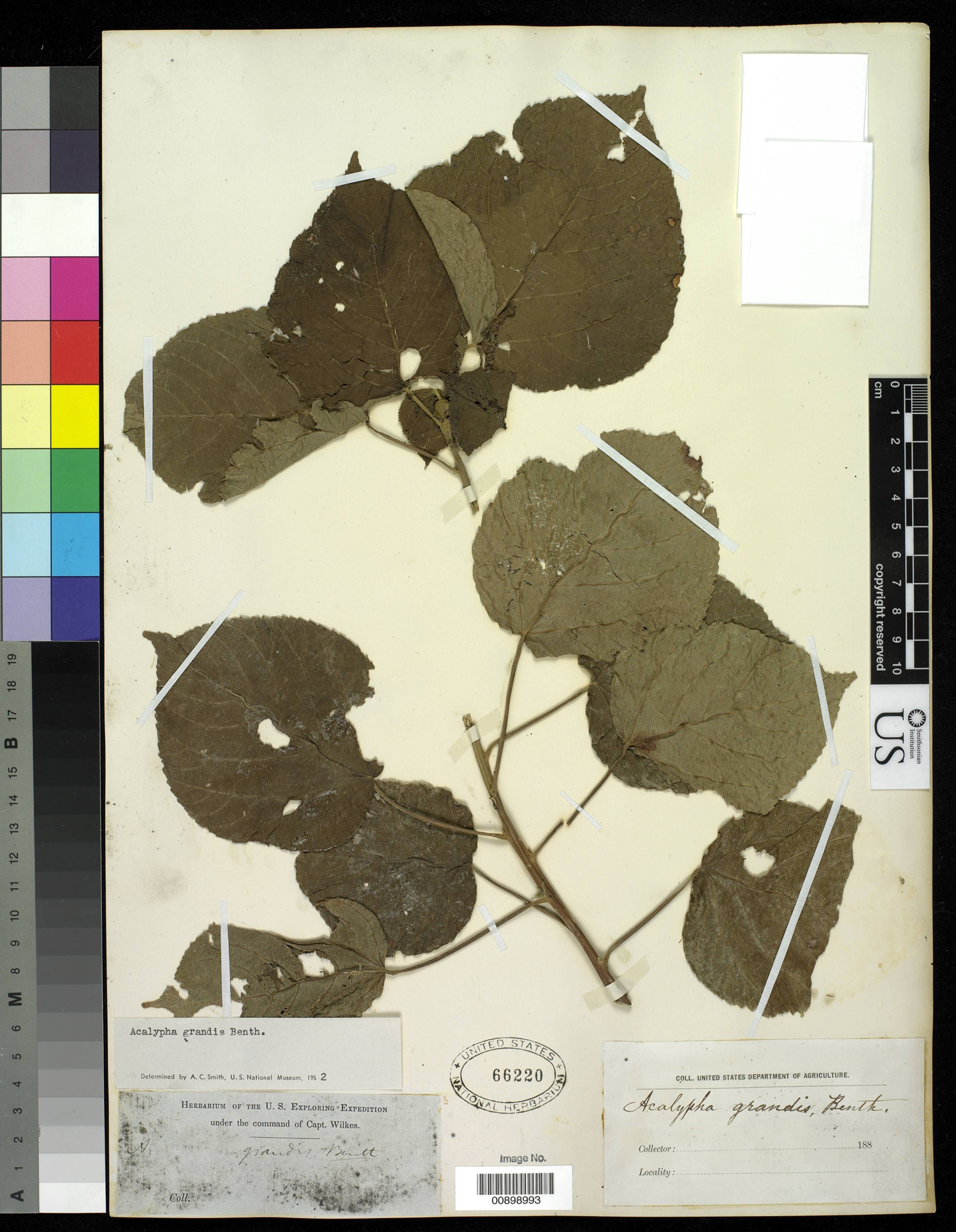
Smithsonian Institution

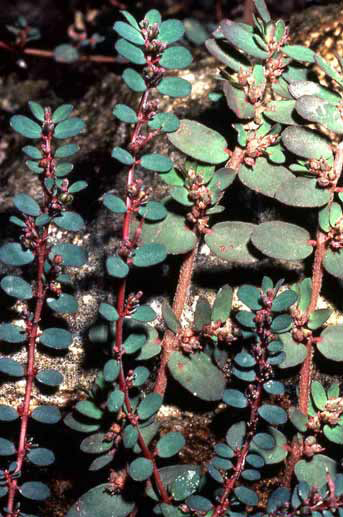
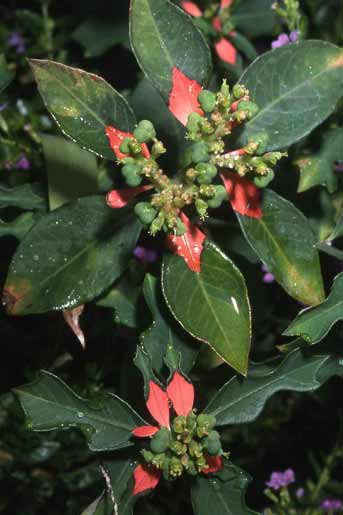
Trees, shrubs, or herbs, many with white, milky latex; leaves alternate or opposite, simple or rarely lobate or compound, usually with stipules; inflorescences of various types, some (the cyathium) highly specialized and more or less simulating a flower; flowers usually small often unisexual; monoecious or dioecious; sometimes within an involucre; perianth in 1 or 2 series or absent; stamens many, or few and regular, or only 1; ovary superior, usually 3-celled, or with 2 or rarely 4 cells, or of 1-celled free carpels, very rarely single; styles 1 per carpel, free or united, simple or forked; ovules 1 or 2 per carpel, pendulous, arillate or not; fruit fleshy (drupe), or dry (capsule) and dehiscent; seeds with endosperm. A large, important, and difficult family, of about 280 genera and 7000 species, worldwide, both tropical and temperate; 17 genera in Guam, of which 7 are indigenous; including 43 species, of which 12 are indigenous.
Images
not available
not available
Images
not available
not available
Images
not available
not available